Ramadan 2027 Charity: Food & Water │ Being Humanitarian
14 October 2026
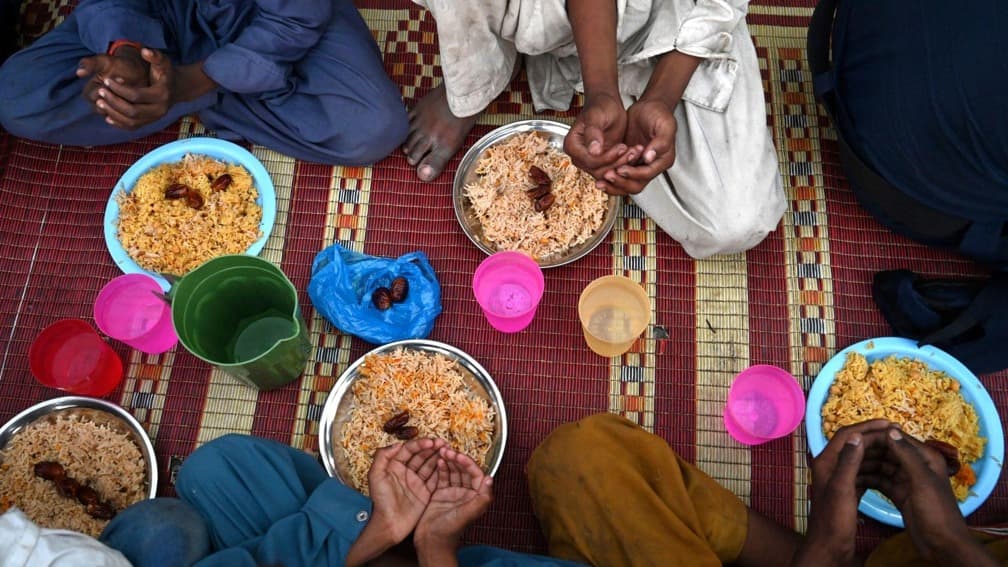
At Maghrib, a few dates and a glass of water are often enough to remind us how precious the simplest blessings can be. For many families, Iftar is also a time to gather around the table after a day of fasting.
For others, the same hour can bring a different concern: whether there is enough food to prepare a meal, or reliable water close to home. Financial pressure does not disappear when Ramadan begins.
This Ramadan, Being Humanitarian is inviting supporters to share the blessings of food and water. It is more than a meal. It is an opportunity to support another household with care, dignity and sincerity.
Why Is Charity Important During Ramadan?
"Ramadan is the month in which the Quran was revealed"
Qur'an, Surah Al-Baqarah 2:185 (excerpt)
Ramadan is a month of fasting, prayer, Qur'an recitation and reflection. It also encourages us to look beyond our own needs. In Sahih al-Bukhari 1902, Ibn Abbas (may Allah be pleased with him) describes the Prophet Muhammad ﷺ as especially generous during Ramadan.
Generosity in this month is not measured only by the size of a donation. It also shows in the sincerity of our intentions, the dignity with which help is offered and the effort made to reach people who need it.
The Reward of Feeding a Fasting Person
"Whoever provides the food for a fasting person to break his fast with"
Jami' at-Tirmidhi 807 (excerpt)
The Prophet Muhammad ﷺ taught that a person who provides Iftar to someone fasting can receive a reward like the fasting person's, without reducing the latter's reward. The narration is reported in Jami' at-Tirmidhi 807 and is graded Sahih in the Darussalam edition.
Providing Iftar does not require an elaborate feast. A suitable, timely meal, shared respectfully, can relieve someone's immediate concern at the end of a long day. The purpose is to feed people, not to create a photograph or an impressive display.
One Table. Two Families.
"We feed you only for the countenance of Allah"
Qur'an, Surah Al-Insan 76:8–9 (excerpt from verse 9)
In Surah Al-Insan, the Qur'an describes people who give food to those in need while seeking Allah's pleasure rather than recognition or thanks. These verses give our Ramadan message its foundation.
"One Table. Two Families." asks us to remember another household while we prepare our own Iftar. The circumstances of two families may be very different, but our responsibility to show compassion is shared. A prepared meal may help someone break their fast. A food parcel may help a household prepare Suhoor and meals over the following days.
How Iftar Meals and Food Packs Help Families
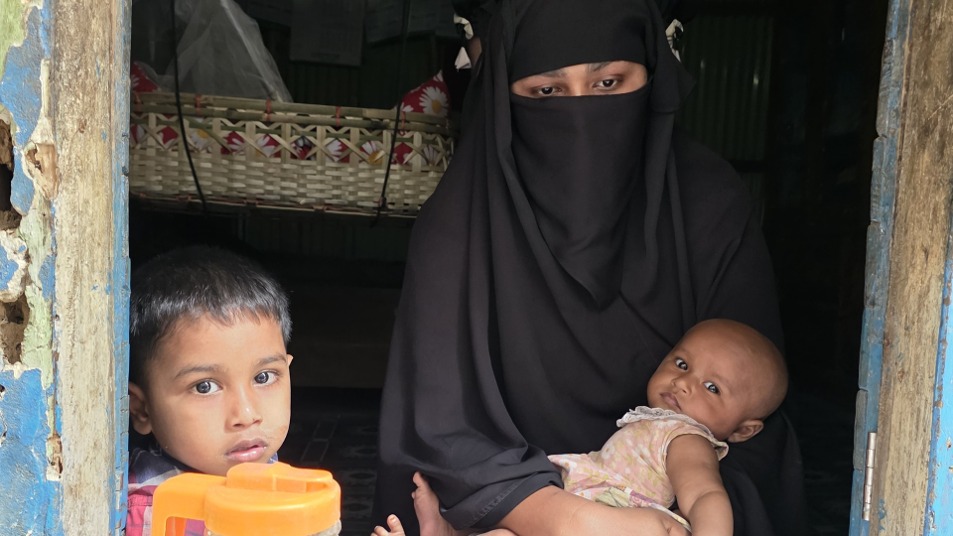
Iftar support and household food assistance serve different needs. A hot meal is immediate help at a particular time. A family food pack offers ingredients that can be stored and cooked at home, giving a household more flexibility in planning meals.
Being Humanitarian's Food and Nutrition appeal currently lists a £40 Family Food Pack with staples such as flour, rice, oil, lentils and dates. Its £80 Larger Family Pack is described as a fuller parcel for a bigger household. The appeal also offers £250 to provide Iftar for 100 people during Ramadan.
These packages cannot remove every financial difficulty a family faces. Their value lies in offering practical relief at a time when money may already be stretched across rent, medicines and other essential costs.
Giving Water: A Blessing Beyond Ramadan
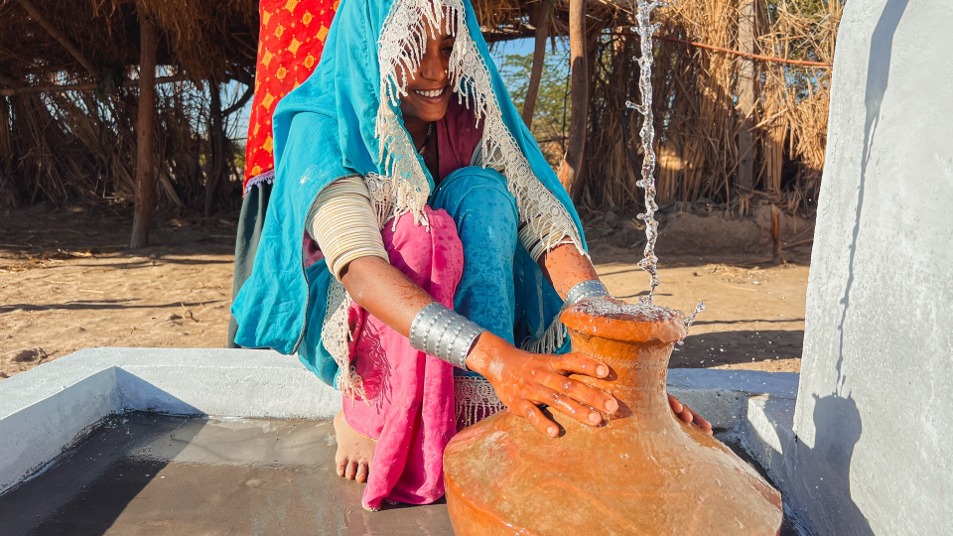
Water is often the first thing we reach for at Iftar, yet families need it just as much before sunrise and throughout the rest of the year. Where access is difficult, a suitable hand pump can make daily water collection more manageable.
In Sahih al-Bukhari 2363, the Prophet ﷺ recounts the story of a thirsty person who gave water to a thirsty dog and was forgiven by Allah. The narration reminds us that showing mercy by relieving thirst is a valuable act of kindness.
Being Humanitarian's Safe Water Projects appeal currently offers a water hand pump for £85. According to the appeal, the package includes a name plaque and completion photographs. Installation alone, however, is not enough: the right site, appropriate groundwater conditions and continued maintenance determine whether a water point remains useful.
A water facility that continues benefiting people can be an opportunity for Sadaqah Jariyah, or ongoing charity. This is why food and water belong together in our Ramadan campaign: one can ease hunger today, while the other may serve a community for years to come.
How Being Humanitarian Plans Food and Water Assistance
In Pakistan, our programme work involves coordination with local implementation partners. That work matters because a donation is only the beginning of a project.
For food assistance, the practical questions include who needs support, which items are suitable, how and when distribution will take place, and how delivery is recorded. For water facilities, site suitability, the quality and availability of the water source, installation and evidence of completion all matter.
Supporters should be able to understand what their chosen donation is intended to fund. We aim to use clear project descriptions and appropriate reporting so that generosity is matched by responsible delivery. The exact arrangements vary by programme and location.
Can You Give Zakat or Sadaqah During Ramadan?
Sadaqah is voluntary charity. Zakat is an obligation for eligible Muslims and must be directed to eligible recipients in keeping with Islamic requirements. Surah At-Tawbah 9:60 identifies categories of Zakat recipients; it does not mean that every charitable project automatically qualifies.
Food support for eligible households may be funded through Zakat arrangements. Certain water hand pump projects can also be funded through approved Zakat arrangements when the beneficiaries and method of distribution meet the applicable requirements. A communal facility should not automatically be described as Zakat-eligible without reviewing how the project is structured.
If you intend your gift as Zakat, use the appropriate designated donation route and confirm eligibility for the particular project. If you are unsure, seek guidance from a qualified scholar. For voluntary Sadaqah, choose the cause that you wish to support.
How to Donate During Ramadan 2027
Being Humanitarian currently offers the following options through its published appeals:
Amount | Appeal | What it supports |
|---|---|---|
£40 | Family Food Pack | Staple ingredients for a family in need. |
£80 | Larger Family Pack | A fuller parcel intended for a larger household. |
£250 | Iftar for 100 | Prepared Iftar meals for 100 people during Ramadan. |
£85 | Water Hand Pump | An installation at a location assessed as suitable for a hand pump. |
The appeal pages also allow custom donation amounts. A custom amount should not be presented as a separately priced individual meal unless Being Humanitarian has approved and introduced such an option.
Support food and Iftar: Food and Nutrition appeal
Support water access: Safe Water Projects appeal
Frequently Asked Questions
What is the reward for providing Iftar to someone fasting?
Jami' at-Tirmidhi 807 teaches that providing Iftar to a fasting person carries a reward like theirs, without taking anything away from the fasting person's reward. It encourages generosity while fasting remains a personal act of worship.
Can I give Zakat towards food packs or water hand pumps?
Food packs for eligible recipients and certain approved household water projects may qualify. Eligibility depends on the people receiving the benefit and the distribution arrangements. Confirm that the particular appeal has an appropriate Zakat route before donating.
Can I give a smaller amount towards Ramadan food assistance?
Yes. The Food and Nutrition appeal allows donors to enter a custom amount. That amount supports the appeal; it is not necessarily the cost of a separately designated individual Iftar meal.
Prepare for Ramadan 2027 with an Act of Kindness
In the UK, Ramadan 2027 is expected to begin on the evening of Sunday 7 February, with the first fast on Monday 8 February, subject to moon sighting. The date can vary between communities and countries.
As we prepare our homes and our hearts for the blessed month, we can make room in our plans for someone else. A food parcel, a shared Iftar or support for a water source may be a simple act for the donor, but meaningful help for the people receiving it.
May Allah accept our fasting, our prayers and our charity, and grant ease to families facing hardship. Ameen.